The Evolution of Computing: Key Hardware Components That Shaped Technology
A comprehensive overview of essential hardware components in computing and their evolution, highlighting their impact 3D printing on technology.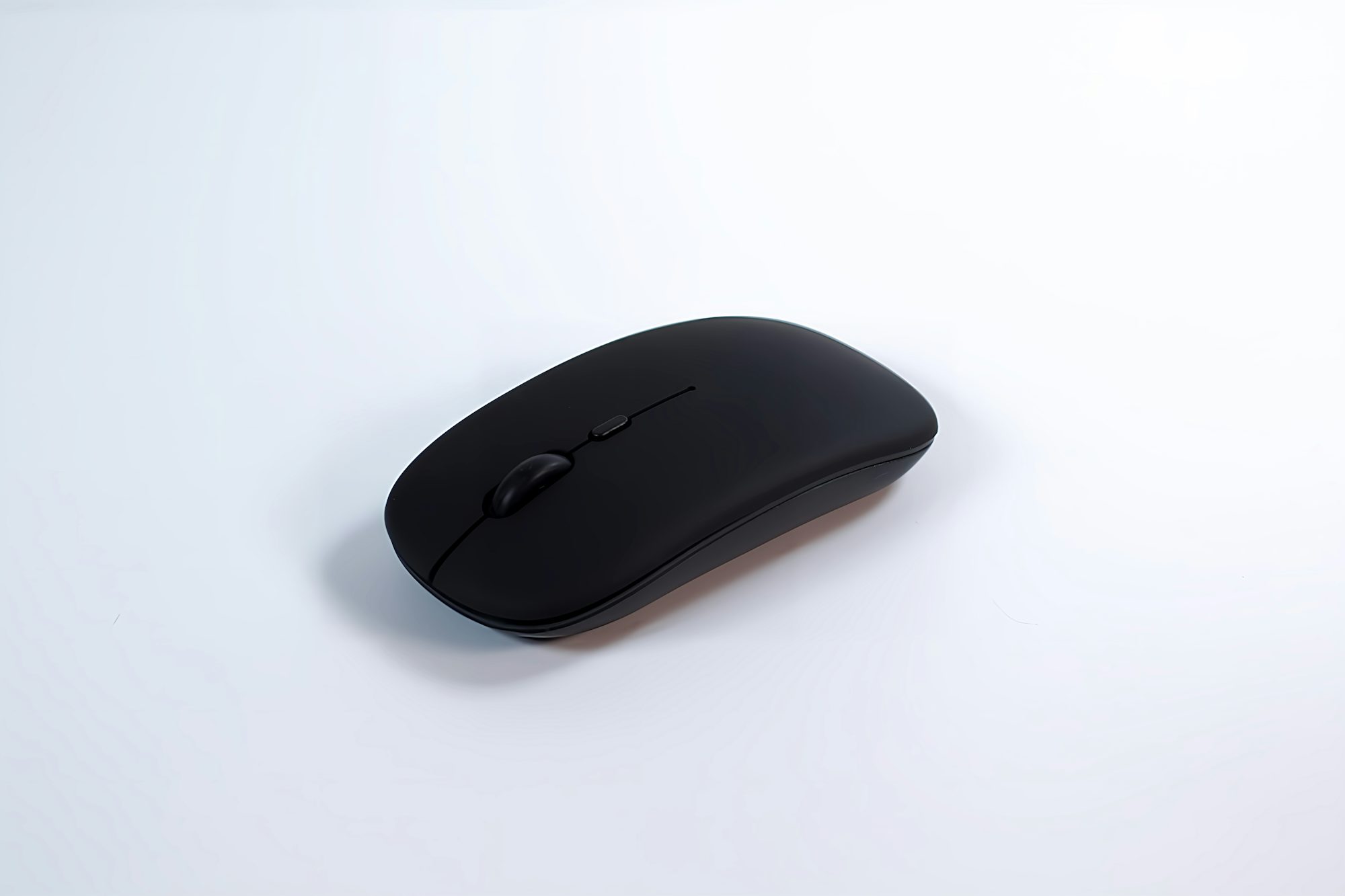
The Central Processing Unit (CPU) is often referred to as the heart of the computer. As the primary component responsible for executing instructions and processing data, the CPU has seen significant advancements since its inception. Early CPUs, such as the Intel 4004, had limited processing power, primarily handling simple tasks. However, as technology progressed, multi-core processors emerged, allowing for simultaneous processing of multiple tasks. This evolution has greatly enhanced the efficiency and performance of computers, enabling them to handle complex applications such as gaming, video editing, and data analysis.
In parallel with the advancements in CPUs, Random Access Memory (RAM) has evolved to support the increasing demands of modern computing. RAM serves as temporary storage that allows the CPU to access data quickly while performing tasks. The transition from older DRAM types to modern DDR4 and DDR5 RAM has resulted in significant improvements in speed and efficiency. This increase in memory capacity and speed allows users to run multiple applications seamlessly, enhancing productivity in both personal and professional environments.
Storage devices have also experienced a significant transformation. Traditional Hard Disk Drives (HDDs) have been a staple in computing for decades, offering large storage capacities at a lower cost. However, the introduction of Solid-State Drives (SSDs) has revolutionized data storage. Unlike HDDs, which rely on spinning disks, SSDs use flash memory to store data, allowing for much faster read and write speeds. This has resulted in quicker boot times and improved application loading, making SSDs increasingly popular among consumers and businesses alike. Many users now opt for a combination of both HDDs and SSDs to balance storage capacity with performance, creating a versatile storage solution.
The motherboard is another critical component in the evolution of computing hardware. It serves as the main circuit board that connects all other components, including the CPU, RAM, storage devices, and peripherals. Over the years, motherboards have evolved to support a variety of features, such as multiple RAM slots, integrated graphics, and advanced connectivity options like USB-C and Thunderbolt. The motherboard's design dictates the overall capabilities of a computer, influencing everything from processing power to upgrade potential. Users seeking to build or upgrade their systems must choose a motherboard that aligns with their performance needs and future upgrade plans.
The Graphics Processing Unit (GPU) has also played a pivotal role in the evolution of computing, particularly in gaming and graphic design. Initially, graphics rendering was handled by the CPU, but as visual demands increased, dedicated GPUs became essential. Modern GPUs are designed to handle complex rendering tasks efficiently, providing stunning visuals and smooth frame rates for gamers and content creators. The rise of technologies such as ray tracing and machine learning has further emphasized the importance of powerful GPUs in achieving high-quality graphics. For those involved in gaming, video editing, or 3D modeling, selecting the right GPU can dramatically enhance the overall experience.
Another vital component in computing is the Power Supply Unit (PSU). The PSU converts high-voltage AC power from the wall outlet into low-voltage DC power, supplying energy to the computer's components. The evolution of PSUs has led to increased efficiency ratings and modular designs, allowing users to customize their power setups based on specific needs. A reliable PSU is essential for maintaining system stability and longevity, as power fluctuations can lead to hardware failures. Understanding PSU specifications, such as wattage and efficiency ratings, is crucial for users looking to optimize their systems.
Input devices bridge the gap between users and their computers, facilitating interaction and control. Keyboards and mice are the most common input devices, but advancements in technology have introduced a range of alternatives, including touchscreens, styluses, and voice recognition systems. For gamers and professionals, specialized input devices, such as mechanical keyboards and gaming mice, can significantly enhance the user experience by providing precision and comfort. Understanding the various input options available can help users choose the right tools to suit their preferences and needs.
Output devices, such as monitors and printers, are essential for presenting information to users. The evolution of display technology has led to significant improvements in resolution, refresh rates, and color accuracy. Modern monitors, equipped with technologies like 4K and HDR, offer stunning visual experiences, making them ideal for gaming, graphic design, and multimedia consumption. Printers have also evolved, with advancements in inkjet and laser technologies providing users with high-quality prints and faster output speeds. Choosing the right output devices can enhance the overall computing experience, allowing users to fully engage with their content.
Networking devices have become increasingly important as more devices connect to the internet. Routers and switches are essential for establishing and maintaining network connections, allowing multiple devices to communicate seamlessly. The evolution of wireless technologies has also changed the way users connect to networks, with Wi-Fi 6 and mesh networking systems providing faster speeds and improved coverage. Understanding networking hardware is crucial for optimizing home and office networks, ensuring reliable connectivity and efficient data transfer.
Peripheral devices extend the functionality of computers, offering additional features and capabilities. External hard drives, for example, provide portable storage solutions, allowing users to back up data or transport files easily. Webcams, microphones, and speakers enhance audio and video communication, becoming essential tools for remote work and virtual meetings. Scanners and digital cameras facilitate the conversion of physical documents into digital formats, streamlining workflows in various settings. The continuous evolution of peripheral devices enables users to customize their setups according to their specific needs and preferences.
In conclusion, the evolution of computing hardware has been driven by technological advancements that have significantly enhanced performance and functionality. From the CPU and RAM to storage devices and peripherals, each component plays a vital role in shaping the computing experience. By understanding the history and development of these components, users can make informed decisions when building or upgrading their systems, ensuring they are equipped to thrive in an ever-changing digital landscape.